Skool Content Protection: Stop Course Piracy & Scraping
You’ve built a thriving Skool community, poured months into your course content, and now you’re seeing signs that someone scraped your materials. Maybe a student tipped you off about your videos appearing on a piracy site, or you stumbled upon a GitHub repository describing exactly how to extract your paid content. The reality is harsh: automated scrapers targeting Skool communities exist, and high-value courses attract determined pirates. This guide covers Skool course protection: what the platform provides, what it doesn’t, and what you can do when content leaks.
Also on Patreon? If you offer courses or community content on Patreon as well, check our Patreon piracy protection guide for platform-specific strategies.
Why Skool course protection matters
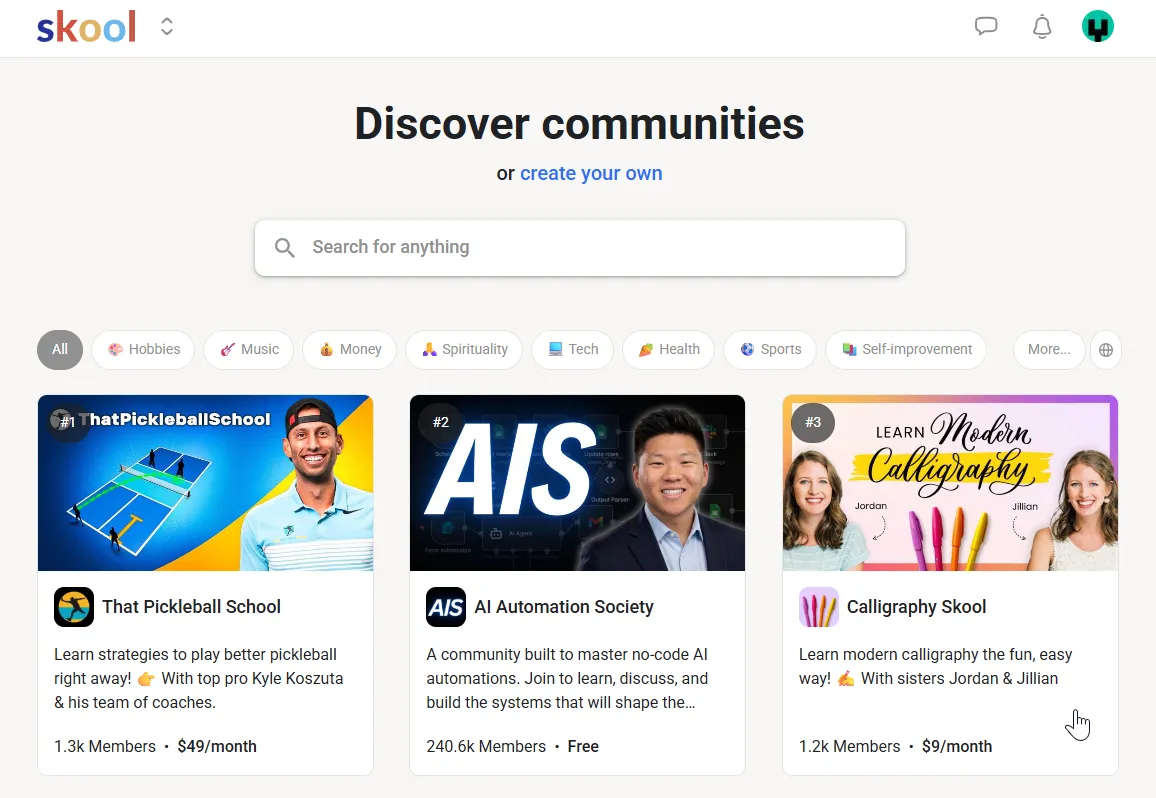
Skool grew fast. With 110,000+ monthly Google searches, the platform now hosts thousands of paid communities (fitness programs, business masterminds, coaching groups), many charging $50 to $500+ per month.
That kind of money attracts pirates.
The scraping threat is real
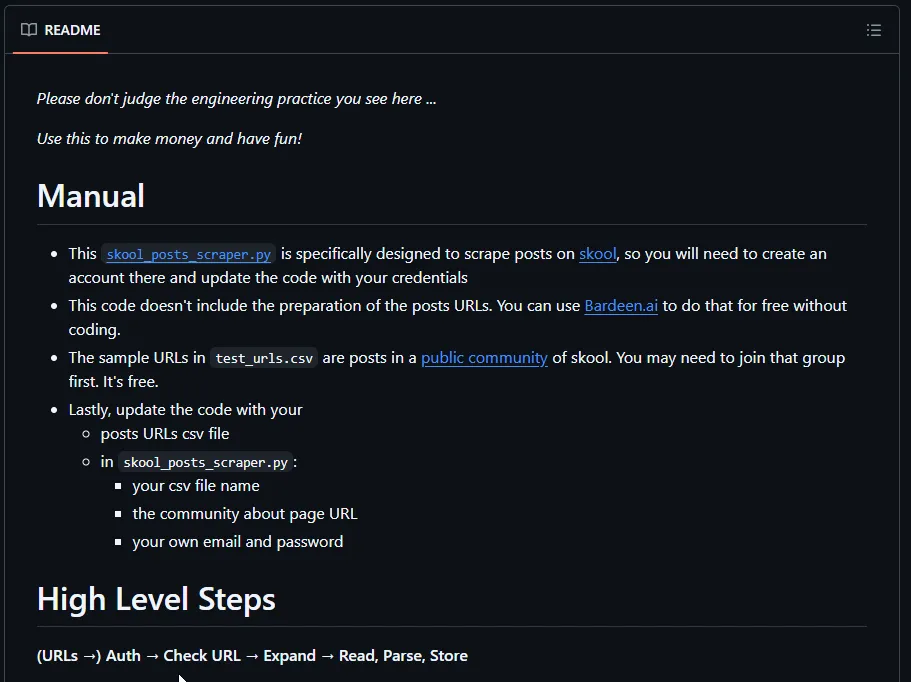
This isn’t a vague security concern. Open-source scrapers built specifically for Skool exist on GitHub, complete with instructions for:
- Authenticating with stolen or shared credentials
- Extracting all posts and course materials from communities
- Bypassing basic access controls
- Exporting content in bulk
One scraper’s README even brags about saving “$3,000” compared to paying for the real thing. That tells you exactly how much value is being ripped from creators.
Why high-value courses are targeted
Course pirates do basic math. A $197/month Skool membership, scraped once, can be resold or shared forever. Reddit threads openly discuss bypassing paid Skool memberships, with users complaining that “these people charge ridiculous amounts of money” and looking for free access.
If your course costs $197/month, someone’s doing the math on whether it’s worth scraping.
What rights do Skool creators have?
Your legal standing is stronger than you might think.
You own your content
Skool’s Terms of Service spell it out: you retain full ownership of everything you upload. When you publish a course module, post a video, or share written content in your community, copyright protection applies automatically under U.S. law.
According to Skool’s legal terms:
“You retain ownership of any intellectual property rights that you hold in content you submit to Skool.”
So when someone scrapes and redistributes your course, they’re committing copyright infringement, whether or not you’ve formally registered your copyright.
The license you grant to Skool
You do grant Skool a license to display your content on their platform (otherwise they couldn’t show it to your members). This license is:
- Non-exclusive: you can use your content elsewhere
- Limited: only for operating the Skool platform
- Revocable: if you delete content, the license ends
This license does NOT extend to pirates. Anyone sharing your content outside Skool has zero legal right to do so.
DMCA compliance
Skool is a U.S.-based platform and complies with the Digital Millennium Copyright Act. They have a designated copyright agent, respond to properly-filed takedown notices, and will remove infringing content when notified.
Skool’s built-in protection features
Skool has some built-in protection, though none of it is bulletproof.
Access control levels
Skool has four access control options:
| Access Type | What It Does | Protection Level |
|---|---|---|
| Private | Only approved members can see content | Basic - requires approval |
| Time Unlock | Content unlocks on a schedule | Prevents immediate scraping |
| Buy Now | Direct payment required | Payment barrier |
| Gamification | Points/levels required | Engagement barrier |
Use these together. For example, drip-feeding content via Time Unlock means a scraper can’t grab everything at once. They’d need sustained access over weeks or months.
Platform policies against scraping
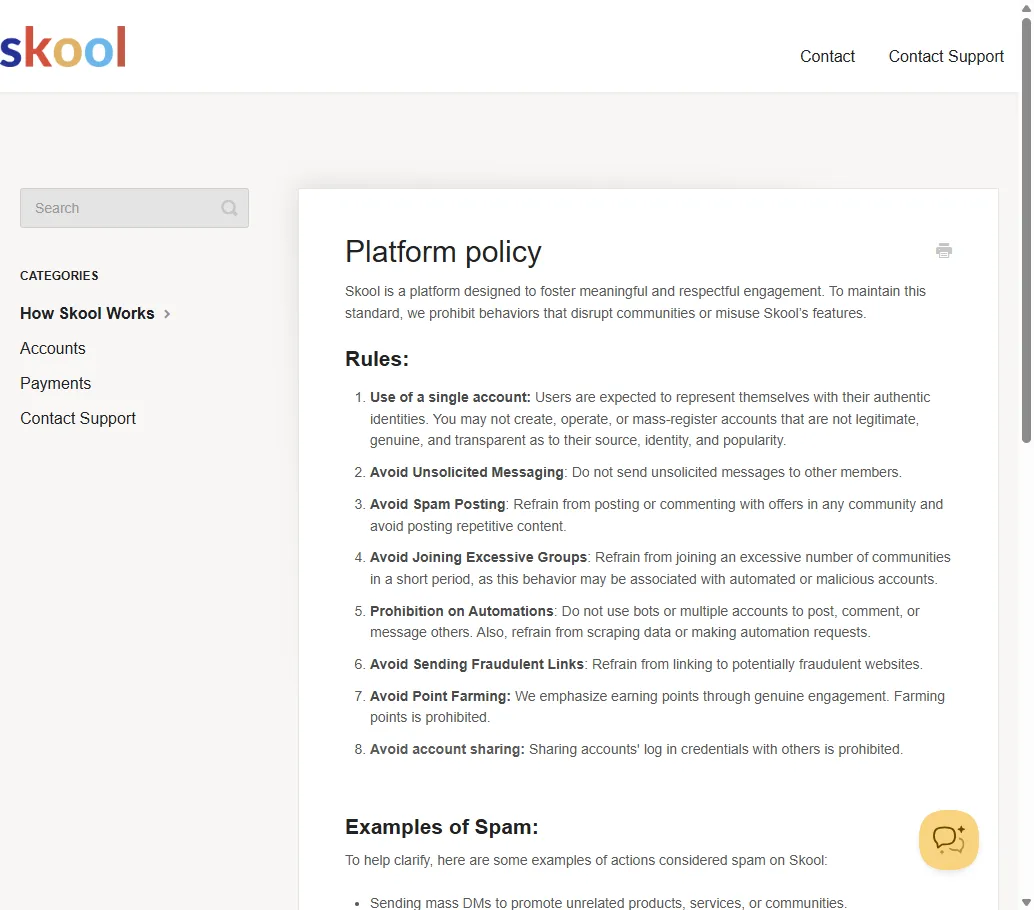
Skool’s Platform Policy explicitly prohibits automated access:
- Bots and automated scripts are banned
- Bulk downloading or scraping violates terms
- Account sharing is prohibited
- Members who violate policies can be terminated
These policies give you grounds to report suspicious activity to Skool’s support team, even before a full DMCA situation develops.
What Skool doesn’t have
Be aware of limitations:
- No native DRM. Videos aren’t encrypted like Netflix or OnlyFans.
- No watermarking. Your content doesn’t automatically identify the viewer.
- No screenshot prevention. Browser-based viewing allows captures.
- No download alerts. You won’t know if someone uses browser tools to save content.
This is why external measures matter.
Why Skool content gets pirated
Skool content piracy typically follows four routes.
Credential sharing and reselling
The simplest method. One person buys access, then shares login credentials with friends or sells them in private groups. Your $97/month course gets split among 20 people paying $5 each to a credential reseller.
Signs of credential abuse:
- Same account logging in from multiple geographic locations
- Unusual access patterns (middle-of-night activity from different timezones)
- Download or viewing spikes that don’t match normal usage
Automated scraping tools
As mentioned earlier, dedicated scripts exist for extracting Skool content. These tools:
- Log in with valid (usually shared) credentials
- Navigate through your community programmatically
- Extract text, images, and embedded video URLs
- Package everything for redistribution
The barrier to using these tools is low. Basic Python knowledge is enough.
External video downloads
This is where many creators get caught off guard. Your course videos probably aren’t hosted on Skool itself. You likely embed from:
- Vimeo, the most common for course creators
- Loom, popular for casual and tutorial content
- YouTube, sometimes used for unlisted videos
- Wistia, less common but used by larger creators
Each of these can be downloaded with freely available tools unless you configure protection settings. A determined pirate doesn’t even need to scrape Skool. They just extract your Vimeo URLs and download directly.
Redistribution sites
Once content is scraped, it appears on:
- Course piracy forums and websites
- Telegram channels dedicated to “leaked courses”
- File hosting services (Mega, Google Drive, Mediafire)
- Torrent sites
The content often spreads faster than you can file takedowns. That’s why prevention matters.
Protect your Skool course before it gets scraped
Prevention isn’t foolproof, but it cuts piracy down and makes your content less attractive to casual pirates.
Secure your external video hosting
This is the step most Skool creators skip.
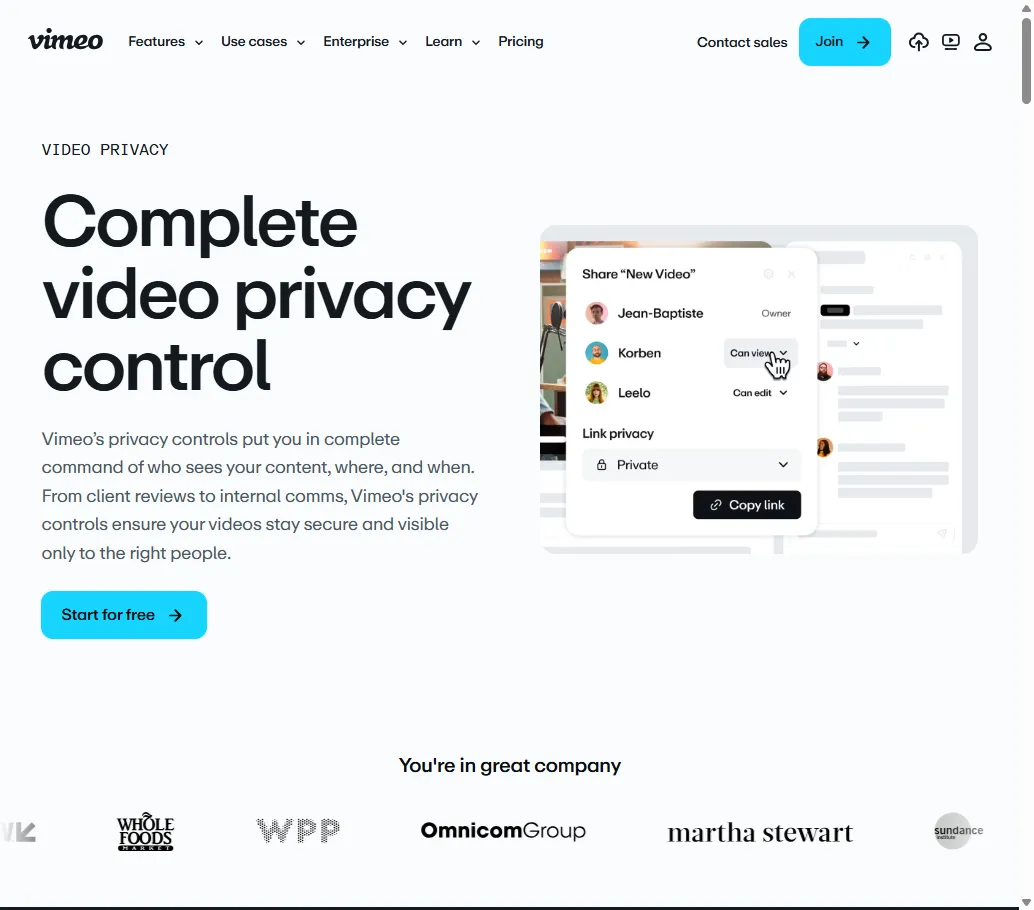
For Vimeo users:
- Go to your video settings
- Find “Privacy” or “Embed” settings
- Enable domain restriction so only
*.skool.comcan embed your videos - Disable direct video page access
With domain restriction, even if someone extracts your Vimeo URLs, the videos won’t play outside your Skool community.
For Loom users:
- Open video sharing settings
- Restrict to “Only people with the link” plus password
- Consider “No downloads” setting
- Use workspaces for course content vs. casual videos
For YouTube (unlisted videos):
YouTube offers almost no protection here. Unlisted videos can be downloaded easily. If piracy worries you, move your course content to Vimeo or Wistia.
Monitor member activity
Watch for red flags in your Skool analytics:
- Members who join and immediately consume all content
- Unusual login patterns (multiple IPs, strange timezones)
- Members who never engage but have 100% completion
- Sudden spikes in content views
Skool doesn’t give you detailed IP analytics, but you can spot behavioral patterns that point to account sharing.
You can also vet new members before granting access using free tools like CopyrightShark’s Risk Registry, a community-driven database where creators report and look up suspicious accounts known for credential sharing or content theft.
Smarter access control
Structure your community to limit scraping impact:
- Drip content slowly. Don’t unlock everything at once.
- Use gamification gates. Require engagement before accessing premium modules.
- Segment your community. Different membership tiers with staggered access.
- Save the best stuff for live calls. Live sessions are much harder to steal than on-demand videos.
Watermark preview content
For any content you share as teasers or previews, add visible watermarks with your community URL. If that content spreads, it’s at least advertising your legitimate offering.
For course videos, add:
- Subtle corner watermarks
- Periodic URL mentions during recordings
- Unique identifiers that help track which member leaked content
Tired of manual monitoring?
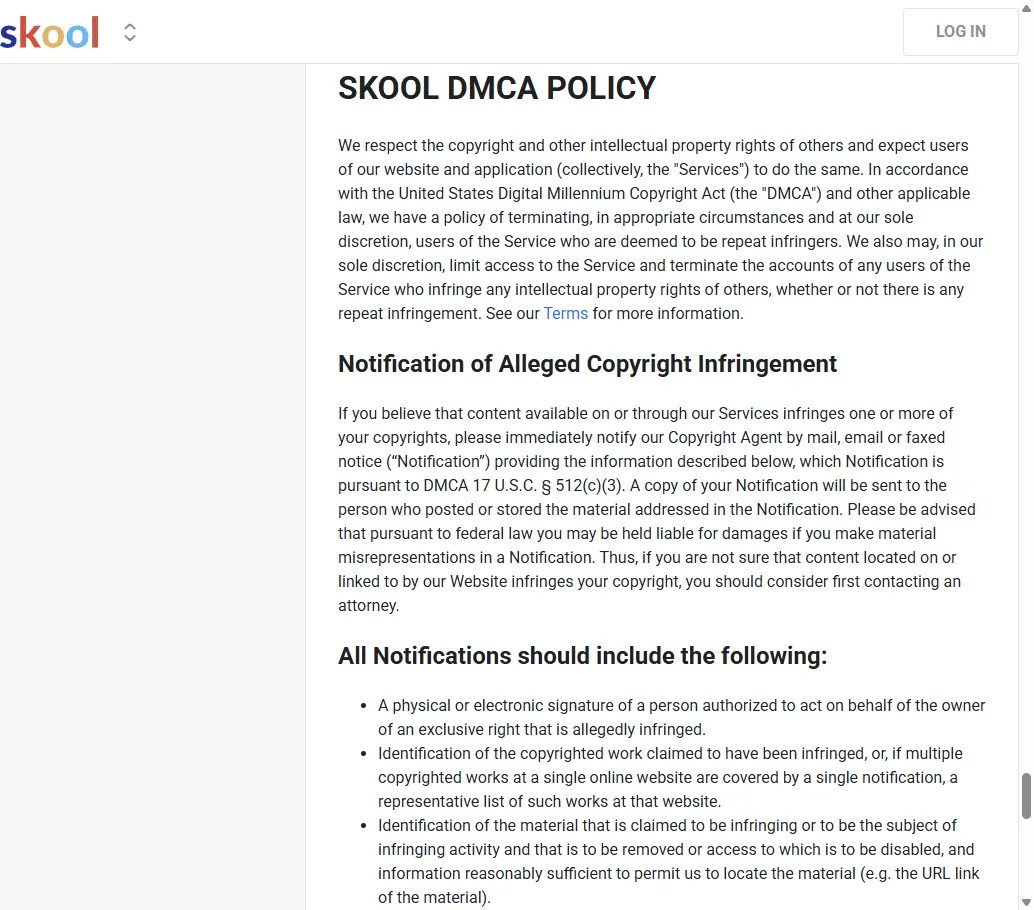
File a DMCA takedown with Skool
When someone reposts your content within Skool itself (say, a competitor copies your course materials into their community), file directly with Skool.
How to submit
A Skool DMCA takedown request goes to [email protected].
Your notice must include:
- Your signature (electronic is fine)
- Identification of the copyrighted work: what was stolen
- Identification of infringing material, including URLs within Skool
- Your contact information: name, email, phone
- Good faith statement: you believe the use is unauthorized
- Accuracy statement: under penalty of perjury, the info is correct
Sample notice for Skool
Subject: DMCA Takedown Notice - Infringing Content in [Community Name]

Dear Skool Copyright Agent,

This is a notification of copyright infringement under 17 U.S.C. § 512(c)(3).

I am the copyright owner of the following content that has been posted without authorization:

- Course title: [YOUR COURSE NAME]
- Original location: [YOUR SKOOL COMMUNITY URL]
- Infringing location: [URL WHERE CONTENT APPEARS]

I have a good faith belief that use of the material described above is not authorized by me, my agent, or the law.

I state, under penalty of perjury, that the information in this notification is accurate and that I am the copyright owner.

Contact Information:
- Full Name: [YOUR NAME]
- Email: [YOUR EMAIL]
- Phone: [YOUR PHONE]
- Address: [YOUR ADDRESS]

[Your electronic signature]
What happens next
Skool will:
- Review your notice for completeness
- Remove or disable access to the content (if valid)
- Notify the alleged infringer
- Provide info about counter-notification rights
The infringer can file a counter-notice claiming the content is legitimate. If they do, you have 10-14 business days to file a court action, or Skool may restore the content.
Remove scraped Skool content from external sites
When your content appears outside Skool (piracy sites, forums, file hosts), the process gets harder.
Course piracy sites
Many dedicated course piracy sites operate overseas and ignore DMCA notices. For these:
- Identify the hosting provider using WHOIS lookup
- File DMCA with the host (more responsive than the piracy site itself)
- File DMCA with Cloudflare if they use it (many do)
- Focus on deindexing when direct removal fails
Google deindexing
If removal fails, at least stop people from finding the pirated content.
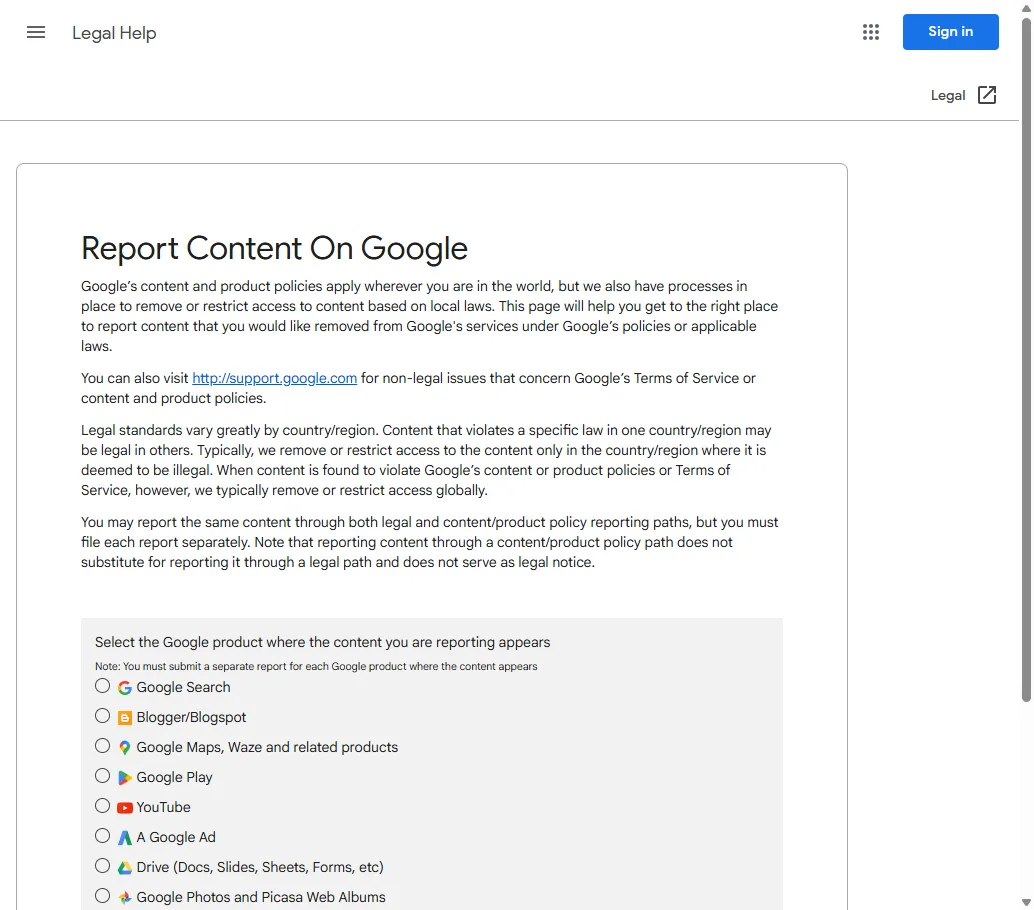
- Go to Google’s DMCA Removal Form
- Submit URLs of search results showing your stolen content
- Wait 1-2 weeks for removal from search results (follow-up often needed)
Social media and forums
For Reddit, Facebook Groups, and similar platforms:
| Platform | Where to File | Timeline |
|---|---|---|
| Copyright Form | 5-10 days | |
| IP Report Form | 1-2 weeks | |
| Telegram | In-app report + [email protected] | Often no response |
| Discord | Trust & Safety | 1-2 weeks |
File hosting services
Content often lands on cloud storage services:
| Service | DMCA Process | Notes |
|---|---|---|
| Google Drive | Report abuse | Relatively responsive |
| Mega | [email protected] | Mixed results |
| Dropbox | Copyright page | Usually responsive |
| Mediafire | [email protected] | Slower response |
What if the piracy site ignores your DMCA?
Some sites, especially those on .su, .to, or .ru domains, routinely ignore takedown notices. They’re legally unreachable. Here’s what actually works.
Escalate to hosting providers
Use WHOIS to find who hosts the site. Major providers like OVH, Hetzner, or DigitalOcean have abuse policies and will sometimes terminate sites with repeated infringement.
Focus on search deindexing
If you can’t remove the content, remove it from Google. Most pirates find stolen courses through search. A page that doesn’t rank does far less damage than one sitting on page one.
File with:
- Google Search
- Bing (which also feeds Yahoo and DuckDuckGo)
- Any other search engines where the content appears
Professional takedown services
When you’re dealing with:
- Multiple piracy sites simultaneously
- Content reappearing after removal
- Sites that ignore your notices
- Not enough time to file dozens of requests
Professional services already have contacts at hosting providers and know which escalation paths get results. They also monitor for re-uploads, which is the part most creators don’t have time for.
Realistic expectations
Complete removal of pirated content is often impossible. The real goals are:
- Remove from search results. This has the biggest impact on discovery.
- Take down from major platforms. Google Drive, social media, the usual spots.
- Make piracy inconvenient. Each takedown adds friction.
- Establish a pattern. Consistent enforcement deters casual pirates.
Can I handle Skool takedowns myself?
This depends on your situation and tolerance for tedious work.
DIY works well for:
- Single incidents. One scraper, one site.
- Responsive platforms. Reddit, Google Drive, mainstream hosts.
- Time-rich creators. You can dedicate 5-10 hours monthly.
- Simple cases. Content clearly stolen, no counter-claims.
Professional help makes sense for:
- Persistent pirates. Content reappears after you take it down.
- Multiple platforms. Takedowns needed across 10+ sites.
- Time constraints. Your hours are worth more creating content.
- Offshore sites. Dealing with non-responsive hosts takes experience.
- Privacy concerns. You don’t want your name on the Lumen database.
Cost-benefit analysis
| Approach | Monthly Cost | Time Required | Coverage |
|---|---|---|---|
| DIY | Free | 5-15 hrs/month | Limited to your effort |
| Professional Service | $59-299/mo | ~0 hrs | Continuous monitoring + filing |
| IP Lawyer | $200-500/hr | Meetings | Legal escalation only |
For a course creator earning $5,000-20,000/month from Skool, spending $100-200/month on protection often makes economic sense. Your time is almost certainly better spent on community building and content creation.
Ready to stop course piracy?
How do I know if my Skool course was scraped?
Catching it early limits the damage. Here’s how to find out if your content is being pirated.
Manual search methods
Regularly Google your course content:
- Search your exact course title in quotes
- Search unique phrases from your materials
- Search your name + “course” + “free” or “download”
- Check “site:mega.nz” or “site:drive.google.com” + your course name
Reverse image search
If your course has unique thumbnails or graphics:
- Upload to Google Images
- Use TinEye for broader coverage
- Check where your images appear
Student reports
Your members are often the first to notice. Make it easy for them to report piracy:
- Add a “Report Piracy” channel in your Skool
- Thank members who report. They’re protecting the value of what they paid for.
- Act quickly on reports so people know you take it seriously.
Monitoring services
Automated tools can scan for your content:
- Set up Google Alerts for your course name
- Use brand monitoring tools
- Consider professional monitoring services
Skool vs. other platforms: content security comparison
If you’re weighing Skool against alternatives, here’s how content protection stacks up.
| Feature | Skool | Teachable | Kajabi | Circle |
|---|---|---|---|---|
| Native Video Hosting | No (embeds) | Yes | Yes | No (embeds) |
| DRM | No | Basic | Basic | No |
| Watermarking | No | Some plans | Yes | No |
| Access Levels | Yes | Yes | Yes | Yes |
| DMCA Response | Yes | Yes | Yes | Yes |
| Anti-Scraping Policies | Yes | Yes | Yes | Yes |
Skool’s strengths
- Community focus. Engagement features reduce pure course-dump scraping.
- Gamification. Points and levels can gate access naturally.
- Active moderation. Community-driven reporting.
Skool’s weaknesses
- No native video. External hosting adds vulnerability.
- Limited analytics. Harder to spot suspicious behavior.
- No DRM. Content is fundamentally downloadable.
Choosing based on security needs
- Need maximum security? Kajabi or Teachable with their native video and DRM.
- Want community and courses balanced? Skool plus Vimeo with domain restrictions.
- Mostly worried about discoverability? Any platform plus a professional deindexing service.
Frequently asked questions
- Does Skool have DRM protection?
- No, Skool doesn't offer native DRM. Your videos are embedded from external hosts like Vimeo or Loom. To add DRM, use Vimeo's advanced plans or configure domain restrictions to prevent videos from playing outside your Skool community.
- Can Skool remove my content from piracy sites?
- No, Skool can only remove content from their own platform. For external piracy sites, you need to file DMCA notices directly with those sites, their hosting providers, or search engines like Google.
- How long does Skool take to respond to DMCA requests?
- Skool processes DMCA notices within standard legal timeframes, typically 3-10 business days. For faster response, ensure your notice includes all required elements: signature, content identification, infringement location, and contact info.
- What happens to the infringer after a DMCA on Skool?
- Skool removes the infringing content and notifies the alleged infringer. Under their repeat infringer policy, accounts with multiple valid DMCA claims may be terminated. The infringer can file a counter-notice if they believe the takedown was mistaken.
- Can I get my Skool course removed from Google search?
- Yes. File a DMCA request with Google to deindex pirated content from search results. Use Google's DMCA removal form and provide URLs of search results showing your stolen content. This takes 1-2 weeks on average, sometimes longer.
- Is there a way to prevent screen recording on Skool?
- No technical measure can fully prevent screen recording. Focus on deterrence instead: watermark visible content, segment high-value materials behind engagement gates, and save your best content for live sessions that are harder to capture.
- What should I do if someone shares their Skool login?
- Monitor for suspicious patterns like multiple geographic logins. Skool's terms prohibit account sharing, so report to [email protected] with evidence. Adding engagement requirements also makes passive credential sharing less useful.
- Does Skool notify me if someone tries to scrape my content?
- No, Skool doesn't provide scraping alerts. Monitor your community analytics for unusual consumption patterns and set up Google Alerts for your course name to catch pirated content appearing online.
- Can I file DMCA against YouTube re-uploads of my Skool course?
- Yes. Use YouTube's copyright complaint form to file against re-uploaded course content. YouTube takes DMCA seriously. Infringing videos are typically removed within 5-10 days, though some clear-cut cases resolve faster.
- Should I watermark my course videos on Skool?
- Yes. Watermarking discourages piracy and helps identify who leaked the content. Add subtle corner watermarks, mention your course URL during videos, and use per-member identifiers if your video host supports it.
- What if my DMCA counter-notification is challenged?
- If someone files a counter-notice claiming your content is theirs, you have 10-14 business days to file a court action. Otherwise, the content may be restored. Consult an IP lawyer if you face a legitimate counter-claim dispute.
- How much does professional Skool content protection cost?
- Professional takedown services range from $59-299/month depending on coverage. IP lawyers charge $200-500/hour for direct intervention. For most course creators, a $100-200/month service provides better ROI than handling takedowns yourself.