Leaked to Kemono Party - Your Realistic Removal Options

If you create on Patreon, Pixiv Fanbox, Gumroad, or SubscribeStar, there’s a good chance your work has already been scraped and uploaded to Kemono Party without you ever knowing. The site is a massive archive of stolen subscription content, using an automated importer that extracts everything from creators’ pages the moment a single subscriber decides to share their access. As of January 2026, Kemono hosts over 21 million posts from more than 106,000 artists (based on statistics displayed on Kemono’s public homepage, verified January 15, 2026). Knowing how the system works and what removal options actually exist is the first step toward fighting back. If your content has been leaked on Kemono Party, this guide covers every realistic option.
How does Kemono steal your content?
Kemono doesn’t rely on hackers breaking into creator accounts. It’s worse than that: it crowdsources access from legitimate paying subscribers who choose to betray the creators they support.
How does session key scraping work?
The following technical explanation helps creators understand how their content is stolen - not as instructions to replicate. Creators do not need to understand or attempt these methods to protect themselves.
Here’s how it works:
- A subscriber legitimately pays for access to your Patreon, Pixiv Fanbox, or other supported platform
- They extract their session key from browser cookies - a temporary credential identifying their active login
- The key is submitted to Kemono’s importer tool
- Kemono uses that legitimate access to automatically scrape your entire catalog
- Everything gets permanently archived on Kemono’s servers
The site’s documentation claims session keys are “immediately discarded” after import. However, Kemono also offers an auto-import feature that stores keys long-term. According to Kemono’s public importer documentation, these stored keys use RSA 4096 encryption. This lets the system automatically check for new content without anyone lifting a finger again. One disloyal subscriber can effectively set up permanent, automated piracy of everything you publish going forward.
Which platforms does Kemono target?
Kemono scrapes content from a wide range of subscription services:
- Patreon - The primary target for Western creators
- Pixiv Fanbox - Major source for Japanese artists and illustrators
- Discord - Server-exclusive content
- Fantia - Japanese subscription platform
- Afdian - Chinese crowdfunding platform
- Boosty - Russian subscription service
- Gumroad - Digital product sales
- SubscribeStar - Alternative to Patreon
- DLsite - Japanese digital content marketplace
If you monetize creative work through any of these platforms, your content is at risk.
 Screenshot captured January 15, 2026
Does Kemono share your content with other sites?
Kemono provides a fully documented public API that allows third-party sites to query and aggregate content from their database. Your leaked work doesn’t stay contained - it can spread across an entire ecosystem of piracy aggregators, mirror sites, and archive services. A single import to Kemono can distribute your content to dozens of other platforms.
How much content has Kemono stolen?
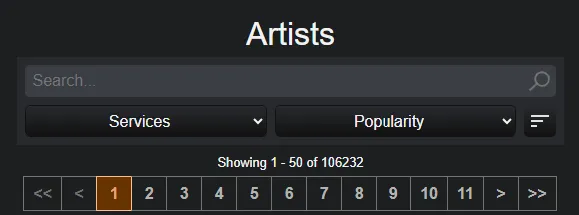
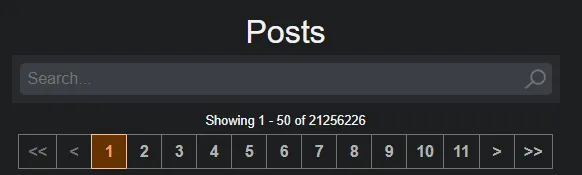
As of January 2026, Kemono has accumulated an enormous volume of stolen creative work. The numbers are ugly.
 Screenshot captured January 15, 2026
 Screenshot captured January 15, 2026
Based on the site’s public statistics (shown above), Kemono currently indexes 106,232 artists with 21,256,226 posts - each post representing stolen images, videos, audio files, or other creative content.
Who are the most leaked creators on Kemono?
The following table shows creators with the highest “favorites” count on Kemono as of January 2026. Favorites indicate how many registered users have bookmarked a creator, showing the scale of engagement with stolen content:
| Platform | Creator | Favorites |
|---|---|---|
| Patreon | theobrobine | 109,245 |
| Patreon | Maplestar | 105,664 |
| Pixiv Fanbox | MdaSta | 100,314 |
| Patreon | ViciNeko | 94,079 |
| Patreon | derpixon | 92,266 |
| Patreon | Nagoonimation | 83,378 |
| Pixiv Fanbox | soso | 83,189 |
| Pixiv Fanbox | haku3490 | 79,446 |
| Patreon | afrobull | 74,805 |
| Fantia | Canan | 58,770 |
These are some of the most popular digital artists and animators in their respective communities. Mid-tier creators with a few hundred patrons can find their entire catalogs leaked within weeks of gaining any visibility.
Is Kemono related to Coomer?
Kemono is part of a two-site network. Its sister site, Coomer, focuses specifically on adult subscription platforms - OnlyFans, Fansly, and CandFans. If you create adult content and also maintain a Patreon for behind-the-scenes or SFW content, you may need to address both sites.
The key differences:
| Aspect | Kemono | Coomer |
|---|---|---|
| Focus | Patreon, Pixiv Fanbox, Discord, Fantia, Gumroad, etc. | OnlyFans, Fansly, CandFans |
| Content type | Art, animation, comics, tutorials, audio, games | Adult subscription content |
| Scale | 106K artists, 21M posts | 220K+ creators, 106M posts |
| Domain | kemono.cr | coomer.cr |
Both sites share identical infrastructure, the same operators, and the same removal (non-)processes. If you’ve already tried removing content from one, expect the same results from the other.
Why won’t DMCA takedowns work on Kemono?
If you’ve sent DMCA notices and received nothing but silence, you’re experiencing the predictable outcome of a system designed to resist legal pressure.
Why does Kemono use offshore domains?
Kemono has operated under multiple top-level domains:
- .party - Original domain, now redirects to .cr
- .su - Soviet Union legacy domain
- .cr - Current primary domain (Costa Rica)
These TLD choices are deliberate. Unlike .com or .net domains governed by ICANN policies, offshore TLDs operate outside the legal frameworks that make DMCA enforcement possible:
- No ICANN oversight: Registry operators have no obligation to respond to copyright complaints
- No U.S. jurisdiction: The DMCA is American law; Costa Rican and Russian registries face no legal requirement to comply
- No registrar escalation: With mainstream domains, you can escalate ignored requests to the registrar. That path doesn’t exist here
Who hosts Kemono and why won’t they respond?
Kemono uses DDoS-Guard, a Russian infrastructure company providing hosting and DDoS protection. DDoS-Guard has been added to the European Commission’s “Counterfeit and Piracy Watch List” (documented in the 2023 Report on IP Protection in Third Countries) for consistently ignoring abuse reports from rights holders. Sending notices to their abuse email typically produces no response.
Technical details from public records:
- Reverse DNS: ddos-guard.net
- AS Number: AS59692
- ISP: IQWeb FZ-LLC
- IP Range: 190.115.31.0/24
- Server Location: United Arab Emirates
Does Kemono have a working abuse report system?
 Screenshot captured January 15, 2026
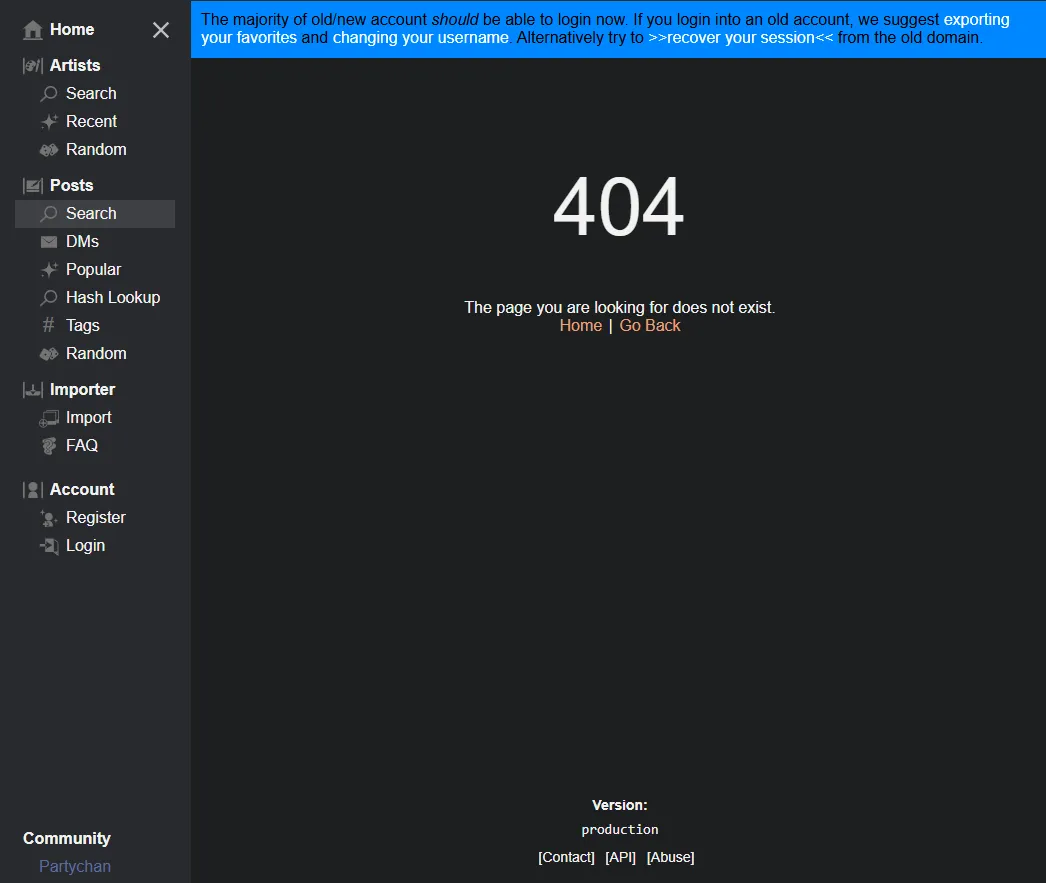
Kemono’s official abuse reporting page has been non-functional. This isn’t a temporary technical issue. It’s a deliberate wall that forces creators into email channels with no guarantee of response.
How to remove your content from Kemono
Creators who find their content leaked on Kemono Party still have a few avenues. Set realistic expectations: most direct requests get no response, but some creators have reported occasional success.
What email should you contact for Kemono removal?
 Screenshot captured January 15, 2026
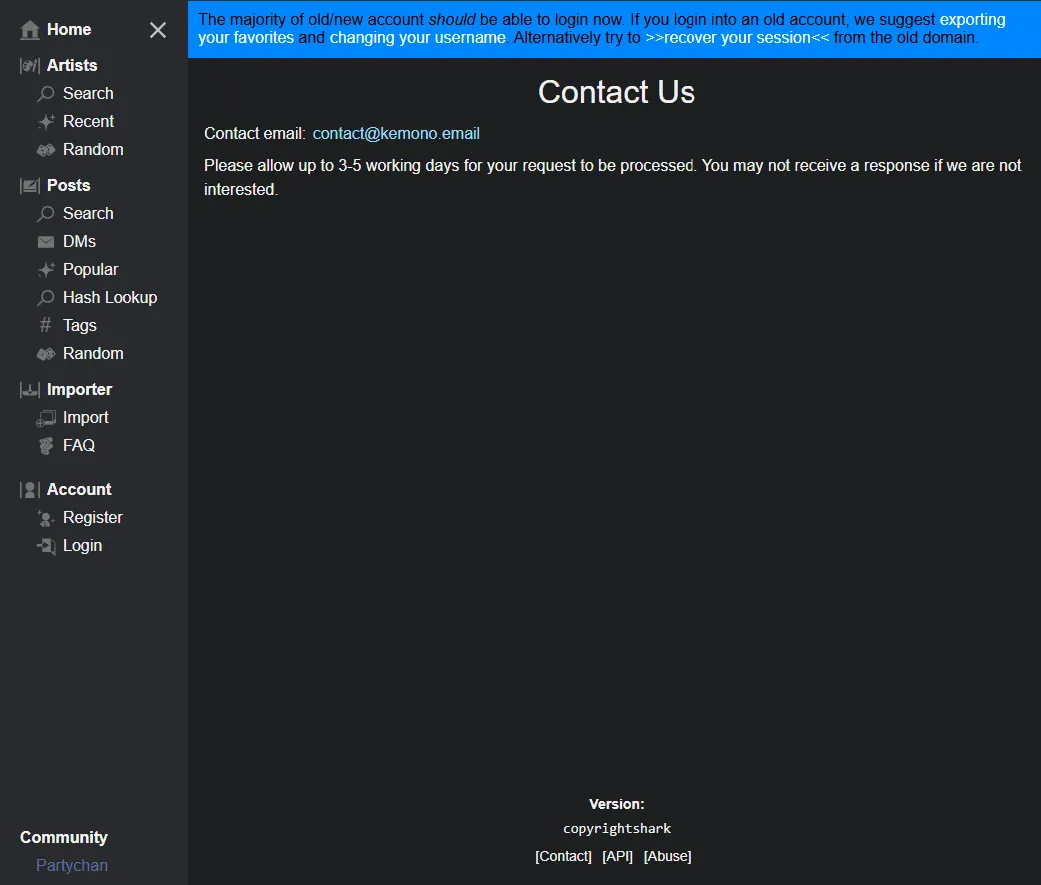
Based on the site’s contact structure, the primary channel appears to be [email protected] (following the same pattern as sister site Coomer).
What to include in your request:
- Clear statement identifying yourself as the content owner
- Specific URLs of pages containing your stolen work
- Links to your official profiles proving ownership (Patreon, Pixiv, etc.)
- Government-issued ID with sensitive information redacted
- Explicit statement invoking your copyright and requesting removal
Sample email structure:
Subject: Content Removal Request - [Your Creator Name]

I am the owner and copyright holder of content currently hosted without
authorization. I request immediate removal of the following pages:

[List specific Kemono URLs]

Proof of ownership:
- My official Patreon: [URL]
- My official Pixiv Fanbox: [URL]
- Attached: Government ID (sensitive info redacted)

This content was uploaded without permission and I never authorized
reproduction or distribution. I am invoking my rights under copyright
law and requesting full removal.

[Your name]
[Contact email]
Realistic response expectations
Creator reports suggest several possible outcomes:
- No response - The most common result
- Outright refusal - Some creators report receiving direct statements that Kemono does not honor takedowns
- Request for additional documentation - Occasionally happens
- Removal without notification - Rare but has occurred
Multiple creators have reported that Kemono flat-out refuses takedown requests despite having a nominally functional contact system. One creator noted receiving a response stating “they don’t take down anything apparently.”
Use Google deindexing when direct removal fails
When Kemono Party removal requests fail (and they probably will), search engine deindexing becomes your most practical option. This doesn’t delete content from Kemono, but it removes URLs from Google search results, making your stolen work much harder to stumble across.
File a Google DMCA request (step-by-step)
- Navigate to Google’s Legal Help
- Select “Google Web Search” then “Copyright infringement”
- Complete the form with:
- Your contact information
- URLs of the infringing Kemono pages
- URLs of your original content (your official creator profiles)
- A sworn statement confirming you are the copyright owner
What Google deindexing actually does
- Removed from search results: Searches for your name, username, or content titles won’t surface Kemono pages
- Reduced discovery: Most people find pirated content through search engines
- Creates documentation: Formal DMCA filings establish a record for potential future legal action
Deindexing limitations you should know
- Content remains on Kemono’s servers
- Anyone with direct URLs can still access it
- Kemono’s internal search still shows your work
- Other search engines (Bing, DuckDuckGo) require separate requests
Don’t forget Bing and other search engines
Submit parallel requests to Bing’s Content Removal Tool for comprehensive coverage. While Google dominates search traffic, leaving Bing unaddressed means your content remains findable through alternative search engines.
Leaked Across Multiple Platforms?
Should you remove Kemono leaks yourself or hire help?
| Aspect | DIY Approach | Professional Service |
|---|---|---|
| Cost | Free | From $59/mo |
| Time Investment | 10-20+ hours | Minimal |
| Direct Site Contact | You send emails, likely ignored | Sent under business credentials |
| Search Deindexing | Google form (self-serve) | Automated, all engines |
| Coomer Coverage | Separate process | Included |
| Success Rate (direct) | Very low (~5-15%) | Low-moderate (~15-30%) |
| Privacy | Your identity revealed | Business files on your behalf |
| Re-upload Monitoring | Manual checking | 24/7 automated scanning |
When DIY removal works
- Your content only appears on Kemono (hasn’t spread)
- You have time to dedicate to the process and follow-up
- You’re comfortable revealing your identity to site operators
- Single occurrence rather than ongoing systematic leaking
When to hire a professional service
- Content has spread to multiple sites (Kemono, Coomer, file hosts, forums)
- Ongoing leaks from repeat offenders
- You need to maintain anonymity throughout the process
- Monitoring for re-uploads is essential
- Your time is more valuable than the service cost
How long does Kemono removal take?
| Action | Response Time | Success Likelihood |
|---|---|---|
| Email to [email protected] | 0-14 days (often none) | Very low (5-15%) |
| Google Deindexing | 7-14 days | High (90%+) |
| Bing Deindexing | 7-21 days | High (85%+) |
Next steps if every direct channel fails
- Prioritize deindexing - Make content unfindable even if undeletable
- Monitor for re-uploads - Removed content often reappears from different importers
- Document everything - Maintain records of all requests sent
- Consider ongoing protection - New subscribers may leak new content
Frequently asked questions
- Can I prevent subscribers from leaking my content to Kemono?
- Unfortunately, no. Session key extraction happens in the subscriber's browser and is undetectable by platforms like Patreon or Pixiv Fanbox. The subscriber has legitimate paid access - they're just misusing it. Watermarking can help identify who leaked but won't prevent the initial breach.
- Why does Kemono use .cr and .su domains?
- Both Costa Rica (.cr) and Soviet Union legacy (.su) domains operate outside Western legal jurisdiction. These TLDs aren't governed by ICANN policies requiring response to copyright complaints. The domain choice is specifically designed to provide immunity from U.S. and EU enforcement mechanisms.
- What's the difference between Kemono and Coomer?
- They're sister sites with identical infrastructure run by the same operators. Kemono focuses on Patreon, Pixiv Fanbox, Discord, Fantia, Gumroad, and similar platforms. Coomer focuses on OnlyFans, Fansly, and CandFans. If you create across multiple platform types, you may need to address both sites.
- Has anyone successfully had content removed from Kemono?
- Some creators report rare success, but the majority receive no response or explicit refusal. Unlike sites with functional DMCA processes, Kemono doesn't seem to have any consistent policy for honoring takedown requests. Most successful 'removal' comes from Google deindexing rather than actual content deletion.
- Will reporting to Kemono reveal my real identity?
- Yes. Effective takedown requests require proof of ownership - typically government ID and links to your official accounts. The site operators will know who you are, and there's no guarantee how that information is handled. Professional services can file on your behalf under business credentials if privacy is critical.
- How does Kemono's auto-import feature work?
- Auto-import allows subscribers to store their session keys long-term so Kemono automatically checks for new content without manual resubmission. Keys are encrypted with RSA 4096 and decrypted during scheduled import runs. One malicious subscriber can set up permanent automated leaking of all your future posts.
- Does Google deindexing actually help if content stays on Kemono?
- Yes, quite a bit. Most people discover pirated content through search engines. Removing Kemono URLs from Google and Bing means searches for your name or content won't surface those pages. The content still exists, but it becomes effectively hidden from casual discovery - which represents the vast majority of traffic.
- My content was removed but reappeared - what happened?
- Different subscribers can import the same creator's content independently. Even if one import is removed, another subscriber with access can re-import everything. This is why ongoing monitoring matters so much. Successful removal doesn't guarantee permanent protection.